
View the February 2026 IFFR Newsletter click here

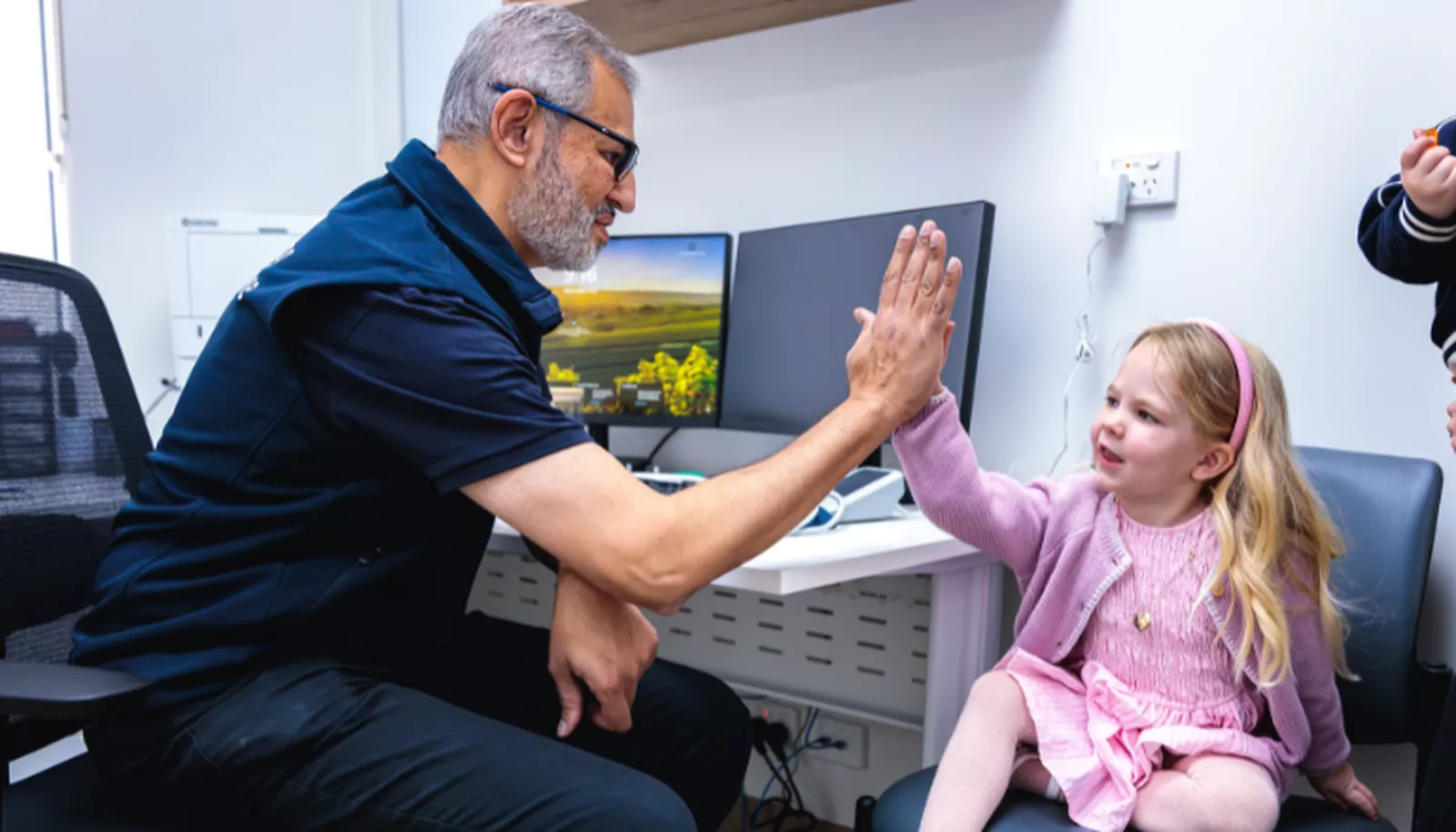
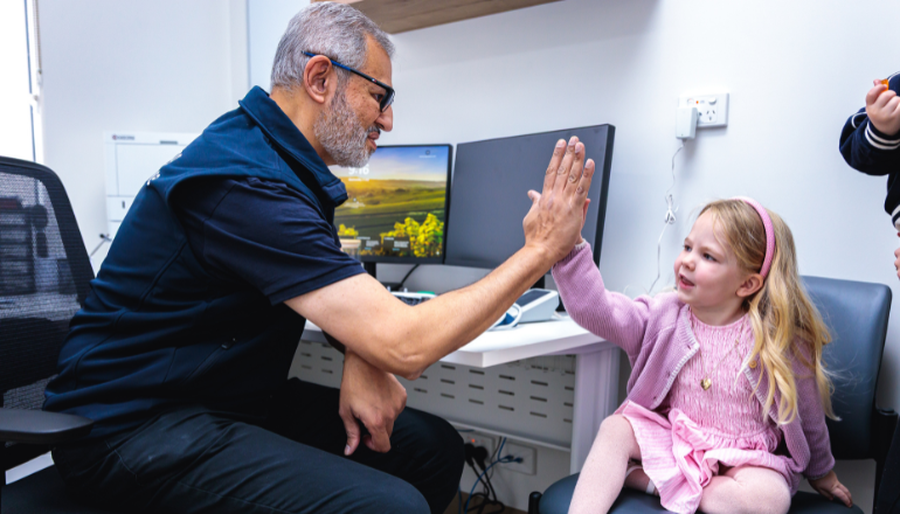
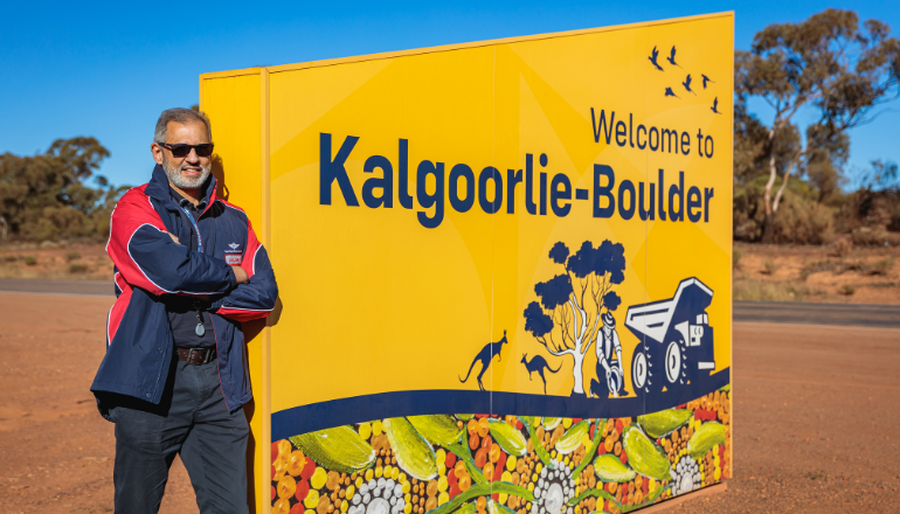
Article supplied by RFDS. In August 2025, the Royal Flying Doctor Service opened its first bricks-and-mortar GP clinic, the RFDS Goldfields Health Centre in Kalgoorlie. Dr Ben Banwait is the Medical Director and Business Manager.
You have a lot of experience working as a GP in regional communities. What do you enjoy about working in the bush?
It’s the sense of connection. In regional communities, you’re not just treating symptoms, you’re caring for people you know, people whose stories you understand and often entire families over time. There’s a humility that comes with that responsibility. Patients place enormous trust in you, and that is something I never take lightly. I also value the resilience and generosity of regional communities. People look out for one another and it’s rewarding to be part of that fabric.
What does a typical day look like for you at the clinic?
My days are varied, which is part of what makes the role so meaningful. As a clinician, I spend time seeing patients at our Kalgoorlie clinic and also participate in the RFDS fly-out and drive-out Primary Health Care clinics across the Goldfields. These outreach clinics bring care closer to people who would otherwise need to travel long distances and they help ensure access to healthcare is equitable across the region.
Alongside my clinical work, my role as Medical Director involves overseeing clinical safety, governance and service planning. Balancing these roles keeps me grounded in both the day-to-day realities of patient care and the long-term vision of what regional healthcare can be.
What has been the feedback from patients about coming to a GP clinic established by the Royal Flying Doctor Service?
Patients often tell us how reassuring it is to receive care through a clinic run by the RFDS. We have a long and trusted history, and that trust really matters in regional communities. Many people feel comforted knowing their local GP service is connected to an organisation that understands distance, isolation and the realities of regional life.
Is there a particular area of health care that is of interest to you?
I have a strong interest in chronic disease management and preventative health, particularly in regional settings. Helping people manage long-term conditions closer to home can make a profound difference to their quality of life. As Medical Director, I’m also passionate about attracting additional healthcare options, such as allied health and visiting specialists, so communities can access more care locally.
Is there a particular health issue you see a lot of in the Goldfields?
We see a high burden of chronic illness, including diabetes, heart disease and respiratory conditions. Mental health needs are also significant. These challenges are often made more complex by distance and limited access to specialist services, which is why strong, accessible primary care is so important.
Do some of your patients drive a long way to see a GP?
Yes, for some of our patients seeing a GP involves planning an entire day around travel. This is why accessibility sits at the heart of everything we do. Our fly-out and drive-out clinics help reduce that burden and ensure people aren’t missing out on care simply because of where they live. Improving access isn’t just about geography, it’s about making healthcare work for real lives.
Why do you think it’s difficult to attract and retain GPs in regional areas?
Regional practice can be demanding. Clinicians often face professional isolation and the practical challenges of distance. Supporting safety, wellbeing and sustainability is critical. GPs need strong teams, good governance and a sense that they belong. When clinicians feel supported and connected to a clear mission, like that of the RFDS WA, they’re far more likely to stay, grow, and build long-term careers in regional communities.
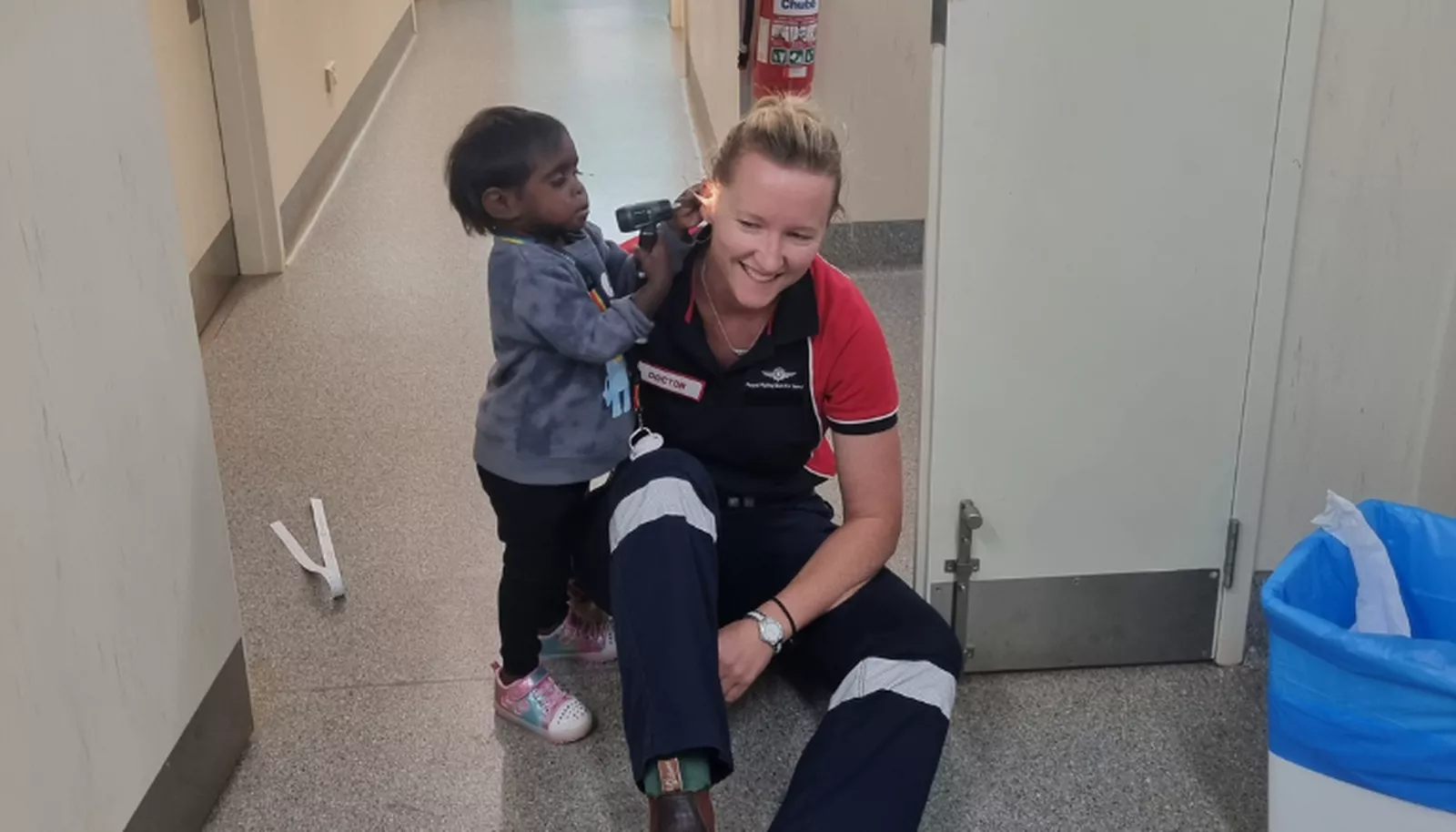
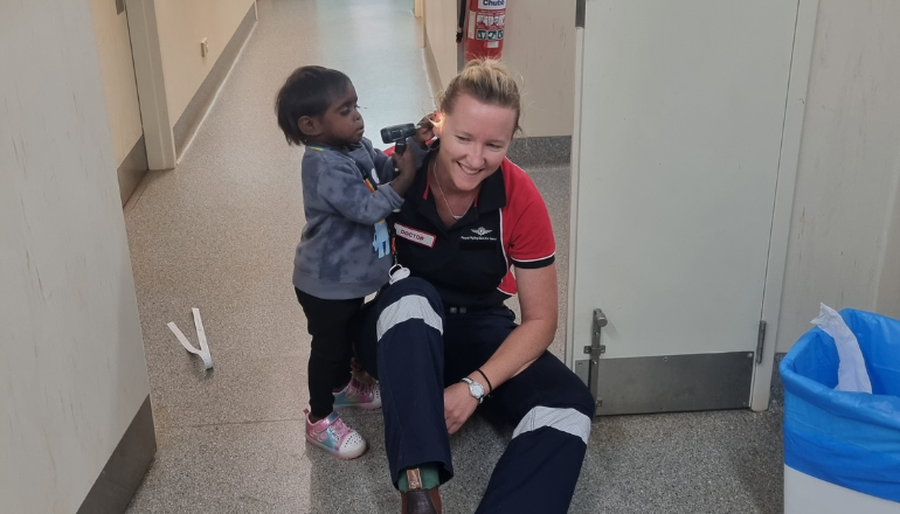
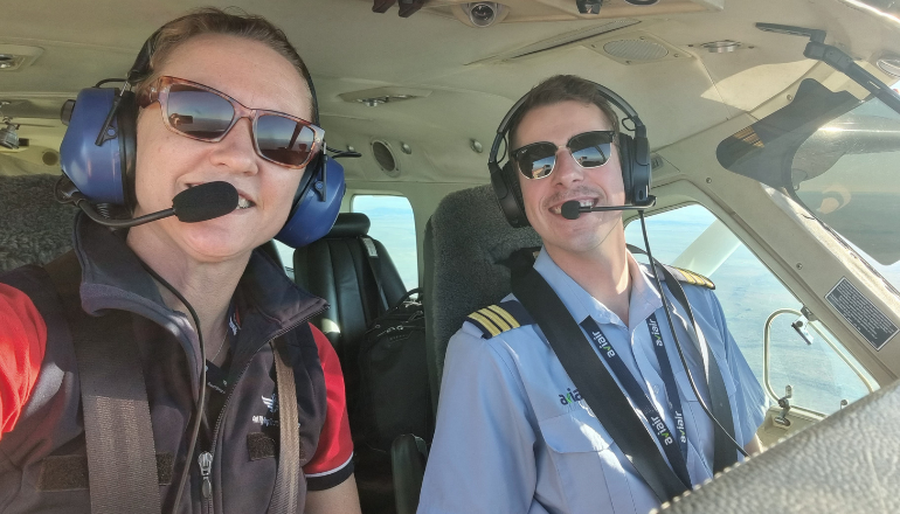
Article supplied by RFDS. Dr Pip Baker grew up on a dairy farm in northern Victoria and graduated in Medicine from the University of Adelaide. After completing her internship and residencies in Adelaide’s tertiary hospitals, she headed bush to undertake her General Practice training.
Pip spent four years on South Australia’s Kangaroo Island working as a Rural Generalist before taking a locum position in Balgo, in the remote East Kimberley, on a fly-in, fly-out basis. In 2024 Pip and her partner Courtney both joined the RFDS, Pip in Primary Health Care and Courtney in Retrieval Nursing. After 18 months working at the RFDS Port Hedland base the couple recently relocated to Broome with their campdog Rolly.
What attracted you to being a GP in remote and regional WA?
I think I have the best job in the world. I love the people, I love the style of medicine, I love the places. I love flying and have started to learn to fly myself.
I don’t think I could ever go back to suburban general practice. My patients have lived courageous lives and have so many stories to share. I hold different opinions to many of them, but we can have a good debate and put things aside to ease their ailments.
What are the locations you run primary health care clinics in?
In the Pilbara I visit Nullagine, Yandeyarra and Marble Bar. In the Kimberley the clinics are in Yakanarra, Djugerari, Koorabye, Kadjina and four stations.
How does the ‘tyranny of distance’ affect the health outcomes of the patients you see regularly?
Too many times I see patients forced to accept ‘any care’ rather than the care that is appropriate for them. There are limited choices to see a doctor of a different gender, culture or age. There are often limited or no choices for allied health support and telehealth services can’t always fathom how hard it is to change your diet and exercise habits in January in Marble Bar.
In the worst of circumstances, and for a variety of reasons, people avoid accessing services at all.
The patients we visit in some of the most isolated parts of the state have a higher disease burden, are later to receive a diagnosis and suffer the consequences in long-term outcomes. The RFDS can’t be everything to everyone, but we can push hard to provide services that people would choose, even if they had more choice.
If your patients didn’t have the RFDS run clinics in their community, how would they access GP services?
Most patients in the Pilbara would have a two and half hour drive to Port Hedland or Newman and the services there are already working overtime with supply not meeting the demand of residents.
A patient from the Kimberley talked to me about accessing healthcare over the wet season, when the RFDS is unable to visit their station. She said the blood test her husband needed is unlikely to happen because by then their road will almost certainly be closed. It would cost about $5,000 for a charter plane to collect him and then again to fly him home. The mail plane only comes once week so if he went one way on that and did a charter flight back the cost might come down to about $3,000, factoring in accommodation too.
Most communities we visit in the Fitzroy Valley have a two hour drive to Fitzroy Crossing Hospital for the nearest available health care. They can be cut off completely during the wet season and we often end up bring other supplies for the community in our charter plane.
Are there particular health issues you see a lot of at the clinics you run?
I spend a large amount of time managing Chronic Kidney Disease, Diabetes and Ischaemic Heart Disease, as well as managing skin conditions such as tinea, scabies and impetigo.
What is the best part of your job?
That’s easy – the people. The RFDS people are great, but the patients are truly inspirational.
Apart from work, how else have you and Courtney become part of the local community in Broome?
The crew at the RFDS base have been incredibly welcoming, helping to make the Kimberley our home, from sharing produce from their garden to helping us beach launch our boat.

Article supplied by CASA.
Explore this month’s new events and resources, including:
|
Crash comic – In a whirl
|
|
A sudden gust on final approach can turn a routine landing into a challenge.
Watch our latest crash comic to see how one pilot handled unexpected turbulence and what they learned about staying alert and ready for go-rounds. |
|
AvSafety webinar – Environmental factors affecting aircraft performance |
|
|
Join an ASA and a CASA test pilot as they explore pilot requirements for using performance charts and key safety factors to consider. 12:00-12:45 pm AEDT, Tue 18 Nov |
|
Phone a friend |
|
|
When local weather looks uncertain, a quick call to a BoM forecaster can give you clearer insight. Learn how speaking directly with a forecaster adds detail beyond the GAF, helping you make safer flight decisions.
|
|
Explaining the rules – Understanding thunderstorms |
|
|
Watch our latest animation to learn how thunderstorms form, why they’re dangerous at every stage, and how to stay safe by keeping well clear and planning ahead. |
|
Blundering through the authority gap |
|
|
‘Every emotion in my body was screaming, ‘Don’t let this man take over the aircraft…this is crazy!’ Hear this young pilots chilling account of a flight when passenger pressure sidelined his authority. |
|
2025 Wet season operations seminar |
|
|
Hear from experienced pilots, air traffic control and the Bureau of Meteorology on managing fast-changing weather, planning for diversions and making safe decisions during the wet season. |
|
ADS-B rebate |
|
|
Weather you fly under VFR or IFR, you may be eligible for a rebate to help cover the cost of installing ADS-B OUT, ADS-B IN, or both. If you own an Australian-registered aircraft, you could receive up to 50% of the purchase and installation costs. |
Bushfire safety reminder
If you see smoke, fires or emergency aircraft, stay well clear and do not take off.
Keeping clear of fire activity ensures firefighting aircraft can operate safely and protects people and property on the ground.
Article supplied by the RFDS.
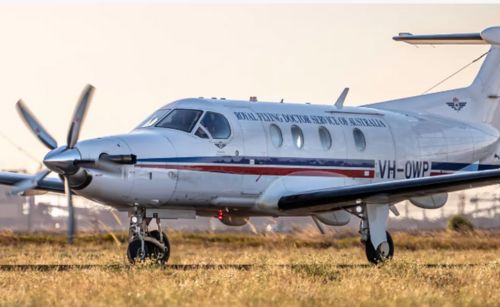
For the past 97 years, the nurses, doctors and pilots of the Royal Flying Doctor Service (RFDS) have been no strangers to regional WA.

Over the past 12 months alone, RFDS WA crews have cared for more than 3,500 people across grain-growing communities. It’s no surprise that retrievals for accidents and incidents in these regions are higher than average around harvest time.
RFDS WA Pilot Chris Bubb knows the regions well. In between roles flying with the RFDS, he was a grain farmer himself.
“Flying into farming communities – especially at this time of year when the crops are looking magnificent – really brings together the two career loves of my life,” Chris said.
“I’ve got a real affinity for people who work the land. I know from experience how rewarding it can be, but also how tough.”
“Farming isn’t a 9-to-5 job. During harvest there’s always so much happening. Trucks coming in, family members helping who might not have much experience. The big issue is always fatigue. It’s easy to have the mentality that the job isn’t done until the crop is off, but when you add all these factors in, you’re in a high-risk zone.”
Chris has a simple message for growers this season: take a break and then take another one.
Look after each other and put safety first. As much as I love flying and helping WA communities, I’d prefer not to meet you that way.
Chris Bubb, RFDS WA Pilot
“For yourself, your family and your employees, please be vigilant. Prioritise sleep, wear your seatbelt or helmet, and keep a well-stocked first aid kit handy.”
The RFDS WA is proud to have the support of CBH Group, Australia’s leader in the grain industry, to deliver the finest care to Western Australian growers and beyond.
CBH Group Chief Executive Officer Ben Macnamara said the grower-owned co-operative is proud of its enduring partnership with the RFDS in Western Australia.
Our partnership with the RFDS WA reflects a shared commitment to the health and safety of those living and working across regional WA.
Ben Macnamara, CEO of CBH Group
“Chris’s story is a powerful reminder that behind every successful harvest are real people.”
“Before what’s expected to be another significant crop for WA ramps up, we urge everyone to take a moment, check in with your team, and make safety part of your daily routine so that everyone can return home safely to their loved ones.”

Article supplied by RFDS. Just before Christmas last year, a fire tore through Clint and Erin McPherson’s farm at Gillingarra, south of Moora.
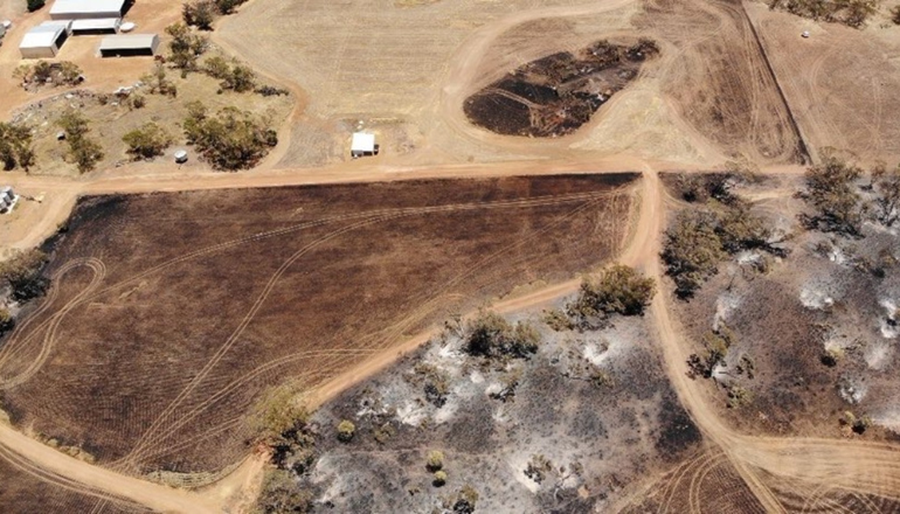
New Home Farm, owned by Clint’s family since 1904, was left blackened and scorched, though miraculously, no major infrastructure was destroyed.
The McPhersons credit the support of neighbours and volunteer firefighters for saving their farm.
Once the cause – a small bearing in their header – had been pinpointed, the family turned to celebrating their narrow escape.
But relief gave way to another ordeal.
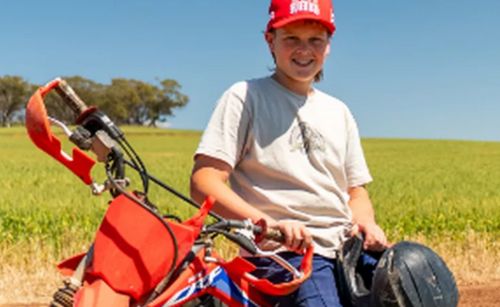
After two days of mopping up after the fire, their children Gus and Georgie went for one last motorbike ride around the paddocks before dinner.
They chose separate routes home, but when Georgie arrived at the house, Gus was nowhere to be seen.
Erin immediately sensed something was wrong. She and Georgie jumped into the car, fearing the worst as they searched the tracks while the sun set.
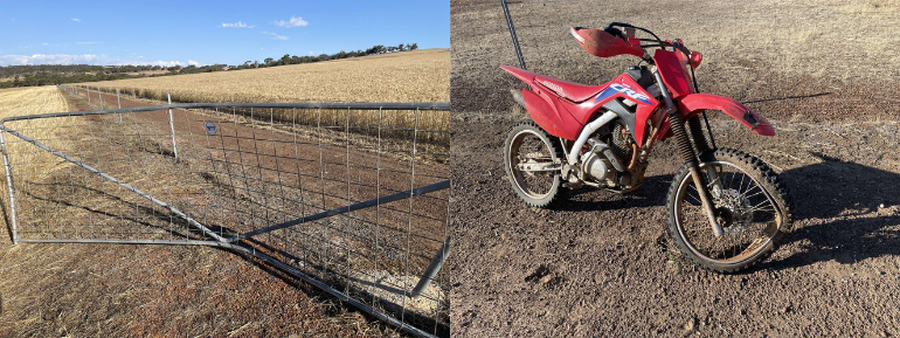
Their headlights soon illuminated Gus’s damaged bike on its side, and the 10 year old slumped against a fencepost. Erin and Georgie ran to him; Gus, pale and disoriented, told them he had broken his leg. Georgie stayed with her brother while Erin raced back to get Clint.
They realised Gus had ridden his motorbike straight into a metal gate which had been left open during the fire.
“Gus kept repeating words, he was really confused,” recalls Georgie. “I was telling him he was in the paddock and Dad’s coming, you’ll be right.”
Erin called Triple Zero and a volunteer crew arrived within minutes.
Aside from his obviously broken leg, they suspected Gus had broken both arms and also placed him in a spinal collar as a precaution. There was also concern he may have suffered internal injuries.
When you see a medical team start to work on a child whose had a motorbike accident, you start to realise there could be more going on
Erin, Gus’ mum
While being treated at Moora Hospital, Gus became increasingly confused and agitated, a symptom of the concussion he’d suffered.
X-rays showed his arms were not broken, but the doctor said he would need to be flown by the Royal Flying Doctor Service (RFDS) to Perth Children’s Hospital for further scans and treatment.
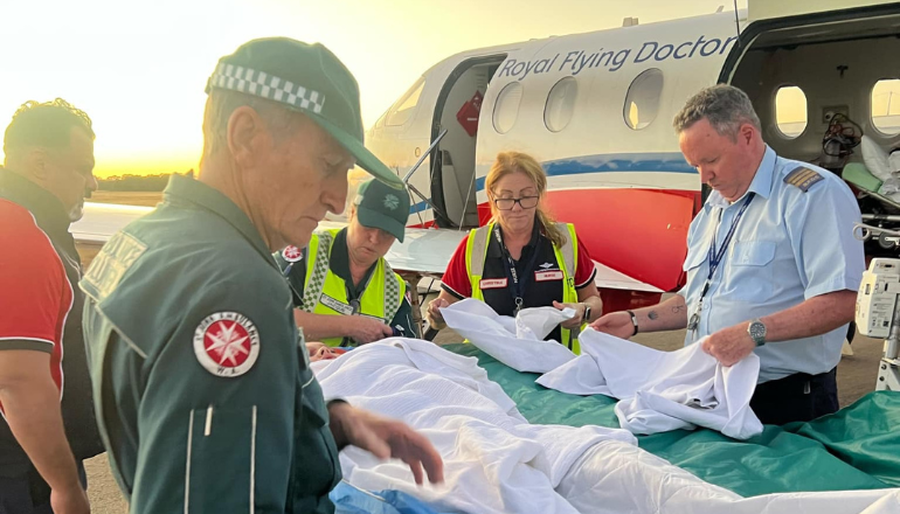
Gus and Erin were taken by ambulance to the local airstrip where they were met by RFDS pilot Simon, Dr Alby and Flight Nurse Christina who reassured them they were in safe hands to get to Perth.
“I was so calm seeing the sun rise over Moora and Gus was finally sleeping. Of the entire event, that plane ride was when I felt at my calmest.” said Erin.
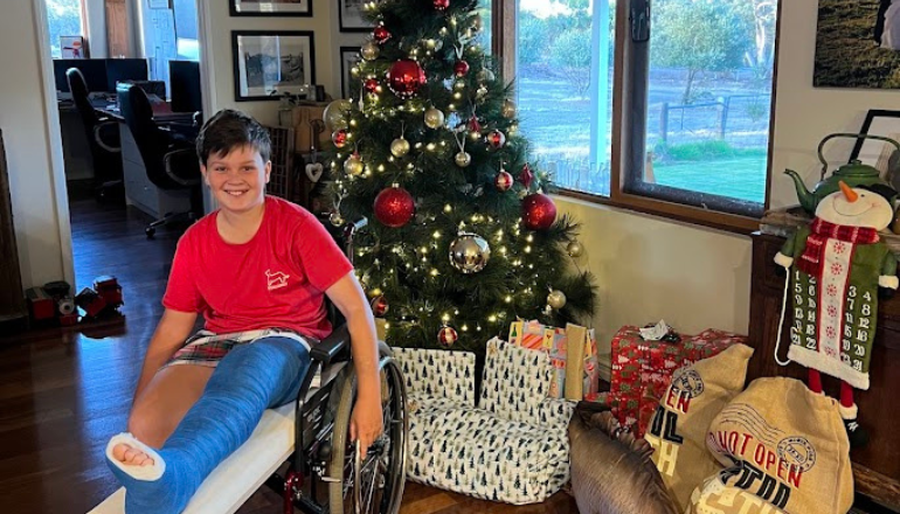
Gus faced a long road to recovery. His concussion meant he had to spend a week in Perth Children’s Hospital.
Breaking both his tibia and fibula, he was in a full leg cast for 10 weeks forcing him to spend the summer holidays in a wheelchair.
His long rehabilitation included a short leg cast, a moonboot and ongoing physio, but he’s now back playing sport and riding his motorbike.
The McPhersons wanted to find a way to give back to the RFDS. A fundraising event they organised raised more than $130,000. They visited the Jandakot RFDS base months later to present the cheque and were reunited with Dr Alby and Pilot Simon.
“You never think that you’re going to use the RFDS and then to see the plane for the second time and know that you’ve been in it was really quite emotional,” said Erin.
“It’s so personalised, the crew really do care. It’s more than just a service.”
Article supplied by CASA
|
|
|
|
|
|
|
|
|
|
|
|
Article supplied by RFDS

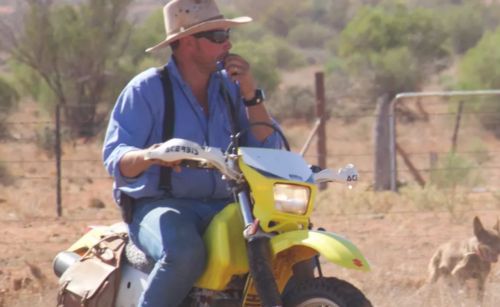
When this black and white photo of four generations of the Herring family was captured, back in 2018, it would be Wes Herring’s grandfather, Fred’s, last trip to the family’s Gum Park station. The 28,000 hectare family farm, located near Broken Hill in the Central West of NSW, had been run by the Herring family since 1915. But when this photo was taken, Gum Park had been in the grip of drought since 2016 and all the dams had run dry. Wes, also pictured with his young son Angus and his father Peter, had recently taken over the running of the farm, after spending his late teenage years and early twenties ‘learning the trade’ of agriculture as a farm hand on over three million acres on a farm in SA and as a rural contractor. But Gum Park was so much more than Wes’s family farm. School of the Air, rabbit shooting and shearing in school holidays were all an integral part of Wes’s childhood. But like so many other farmers, the stress of drought and all the other random acts of Mother Nature’s wrath were pressing down upon Wes’ shoulders. In hindsight, he can see the signs of his depression building, in the form of a short temper, fatigue and turning to alcohol and solitude for support. Like so many rural men, Wes didn’t know how to ask for help or even if he needed help. His Black Dog was circling and the young father and husband felt trapped and in despair. Until the moment when, with a loaded gun pointed at his chin, Wes ‘woke up’ and knew he needed urgent mental health support. Within days, his nearby RFDS GP and RFDS Mental Health Nurse were caring for Wes’s wellbeing and getting him the support, the medication and the information he needed to recover.
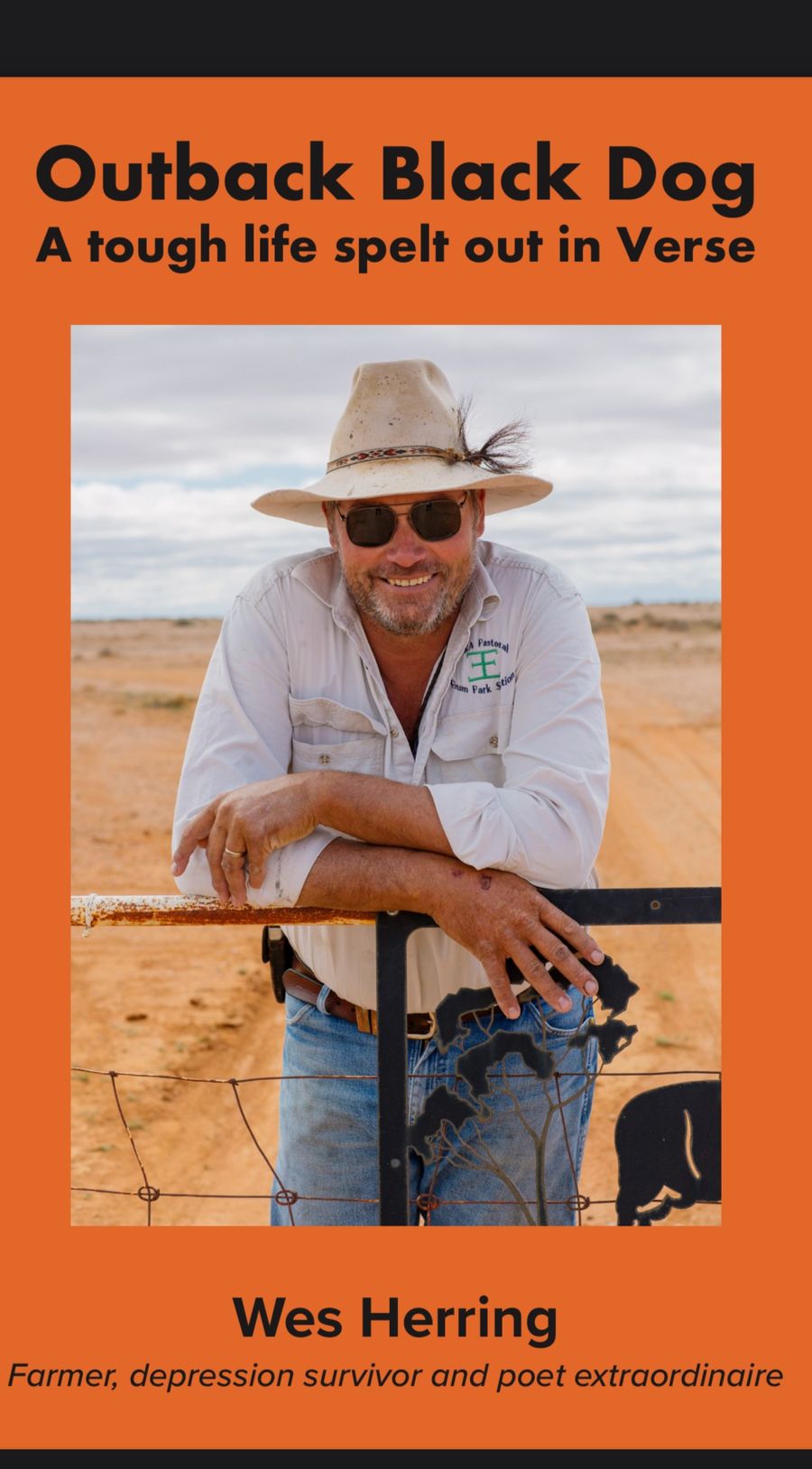
In this truly poetic Episode #132 of the Flying Doctor Podcast, Wes Herring takes listeners on a beautiful and heartfelt journey through agriculture, life on the land and family. Today, Wes is in a much better place. With support for friends, family and the wider community, along with the RFDS’s We’ve Got Your Back Program, he and his family made the tough decision to sell the family farm, to start a new farming life near Deniliquin in NSW. And Wes has turned to bush poetry to tame his Black Dog and help him along his mental health journey. With his new book of poems and something of a personal memoir of his journey and life, Wes hopes he can help other rural men who might be struggling to seek out help and mental health support. He also hopes that his poetry, along with community driven initiatives such as the RFDS We’ve Got Your Back Program, will encourage broader community conversations across rural and remote Australia, around the importance of ‘all body and mind’ health programs. Because while the stigma of mental health has greatly reduced in recent years, everybody’s mental health journey is unique. But there is ALWAYS help at hand, no matter where you live.
If you are experiencing a mental health crisis or are with someone who is, call 000 if it is an emergency. For direct and ongoing support, call Lifeline Crisis Support (13 11 14), Suicide Call Back Service (1300 659 467), Beyond Blue (1300 22 4636) or Rural Aid (1300 175 594).

Ongoing research by the RFDS RN031 Mental Health D6.indd suggests that each year, around one in five, or 960,000, remote and rural Australians experience a mental disorder. The prevalence of mental disorders in remote and rural Australia is the same as that in major cities, making mental disorders one of the few illnesses that does not have higher prevalence rates in country Australia compared to city areas. At least not on paper. Yet suicide and self-harm rates are higher in remote and rural Australia than in major cities, with residents of very remote areas twice as likely to die from suicide as city residents. The same research models highlights that farmers, young men, older people, and Aboriginal and Torres Strait Islander (Indigenous) Australians face the greatest risk of suicide.
Want to know more about growing the conversation in YOUR community? You can find out more via We’ve Got Your Back | Facebook OR our NSW-based RFDS We’ve Got your Back Champions – who all have lived experience around mental health challenges in rural Australia – are always happy to be contacted directly:
Richard Wilson 0438 093 682 champion.richard@outlook.com or Jane Martin 0431 469 984 champion.jane@outlook.com or Brendan Cullen 0437 188 980 champion.brendan@outlook.com
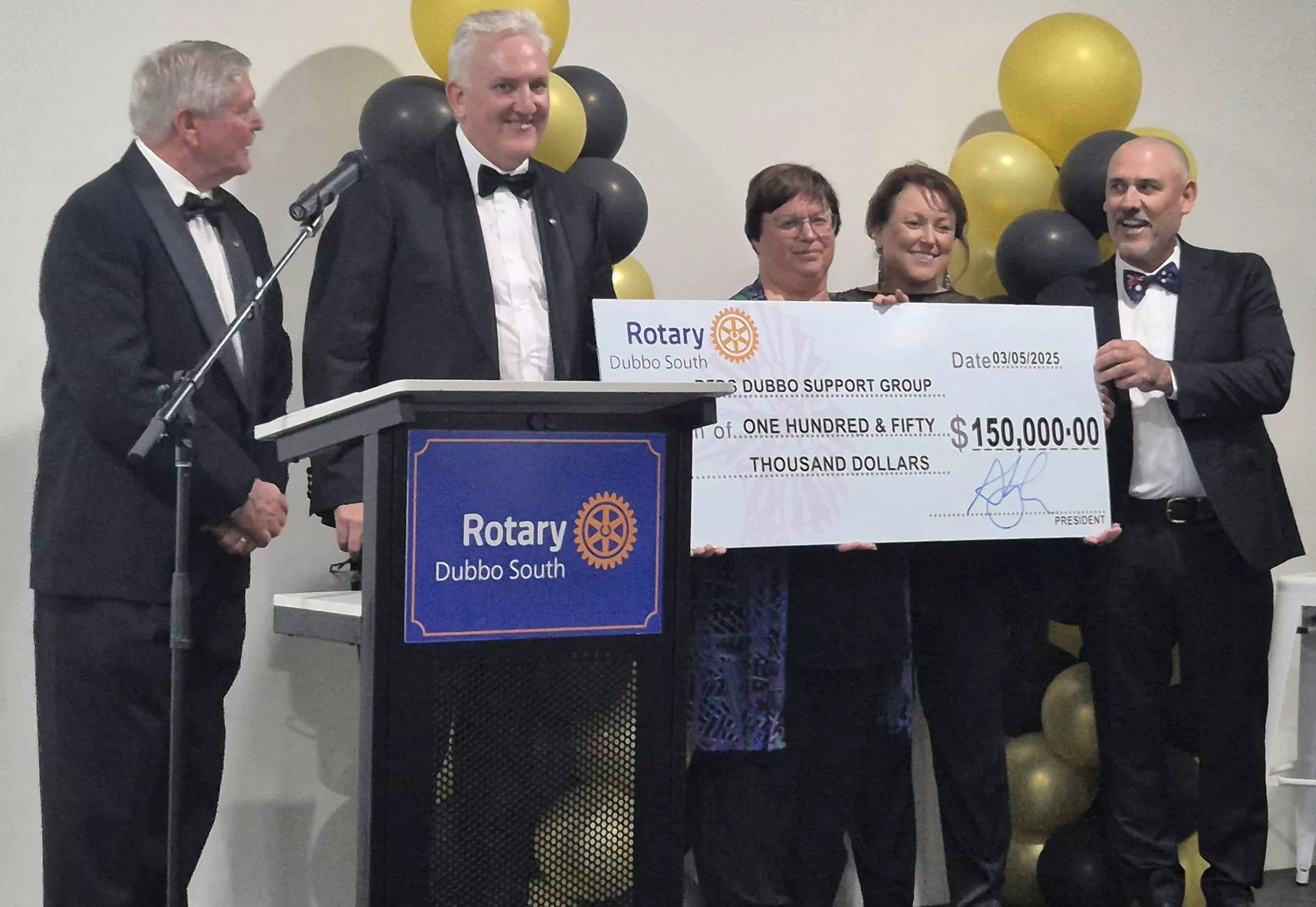
On Saturday 3 May, 360 community members from the Dubbo region and guests from as far away as Sydney came together at the Royal Flying Doctor Service Visitor Experience in Dubbo for the biennial Rotary Club of South Dubbo’s Black Tie Ball.
The event continued to focus on supporting the Royal Flying Doctor Service via the RFDS Dubbo Support Group (DSG), other local charities and celebrating the communities in and around Dubbo.
It was a memorable night full of community spirit, generosity, and heartfelt stories – and it raised a record-breaking $150,000 in support of the work of the Flying Doctor. An additional $54,000 was raised through an inspiring auction along with other proceeds from a raffle and silent auction drawn on the night.
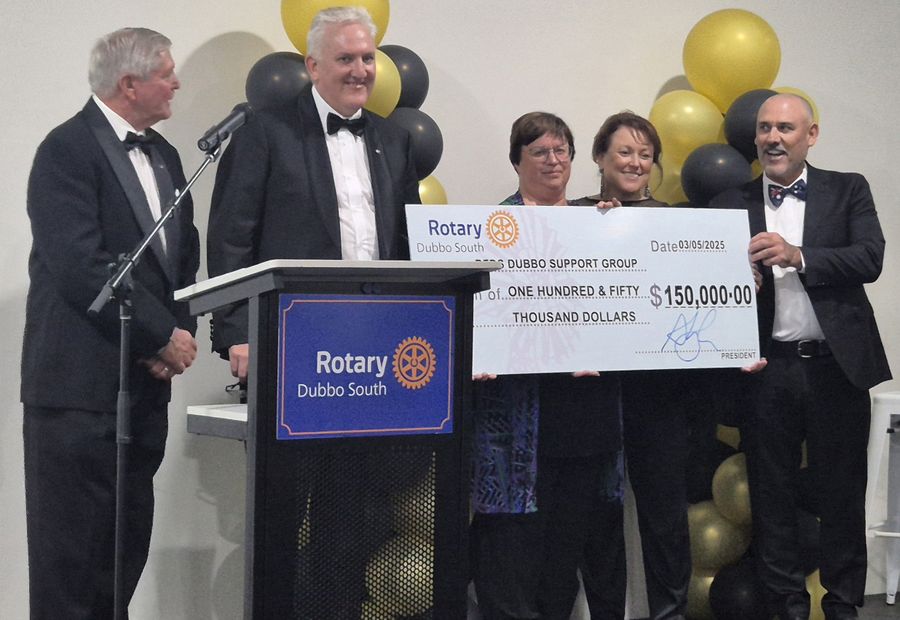
For comparison, the 2023 ball raised an impressive $125,000 – making this year’s effort a new milestone and a real testament to the community’s commitment.
Two lucky raffle winners walked away with:
The President of the Dubbo Support Group, Jeanette Hamilton accepted the cheque on behalf of RFDS.
RFDS Chair Dr Saranne Cooke extended heartfelt thanks to the Rotary Club of Dubbo South and its members for their incredible generosity and ongoing support, speaking to the impact these donations will have on communities in and around Dubbo in delivering the vital healthcare services that RFDS provide.
RFDS retrieval doctor Jessica Kracht also spoke on the night sharing some emotional and meaningful stories from her experience delivering emergency retrieval services and working with patients in rural and remote areas – a reminder of why events like this matter so much.
The new addition of a multipurpose shelter for the Mobile Education Unit at the Dubbo base funded by the DSG provided a useful outdoor extension of the event space at the Visitor Experience. Once complete, it will provide even more opportunities to connect with the community and elevate our community and fundraising events.
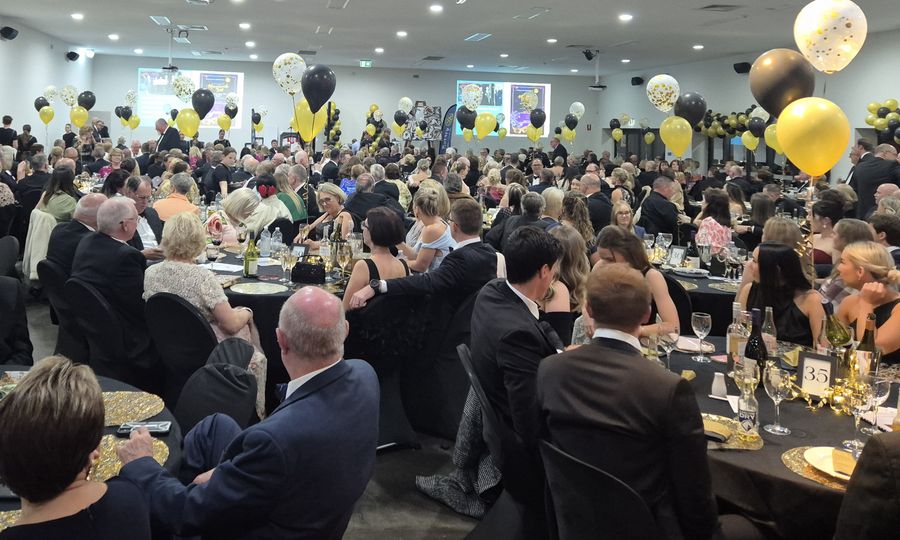
On behalf of everyone at RFDS, a huge thank you to the Rotary Club of South Dubbo and their volunteers, our incredible community, supporters who donated auction items and raffle prizes, frontline and fundraising staff, and everyone who helped make this night such a success. It’s the care, generosity and an incredible community spirit that helps keep the Flying Doctor in the air and making a difference where it’s needed most.

Article supplied by Avalon Airshow
Held biennially, Avalon 2025 will be the sixteenth airshow and aerospace industry exposition staged at our Avalon Airport home. The Southern Hemisphere’s largest airshow and aerospace and defence exposition, Avalon 2025 will once again set the stage as Australia’s own international airshow spectacular and capability showcase.
The event combines:
To purchase tickets head to the Avalon Airshow website: https://airshow.com.au/