
Meet Dr Ben

Meet Dr Ben

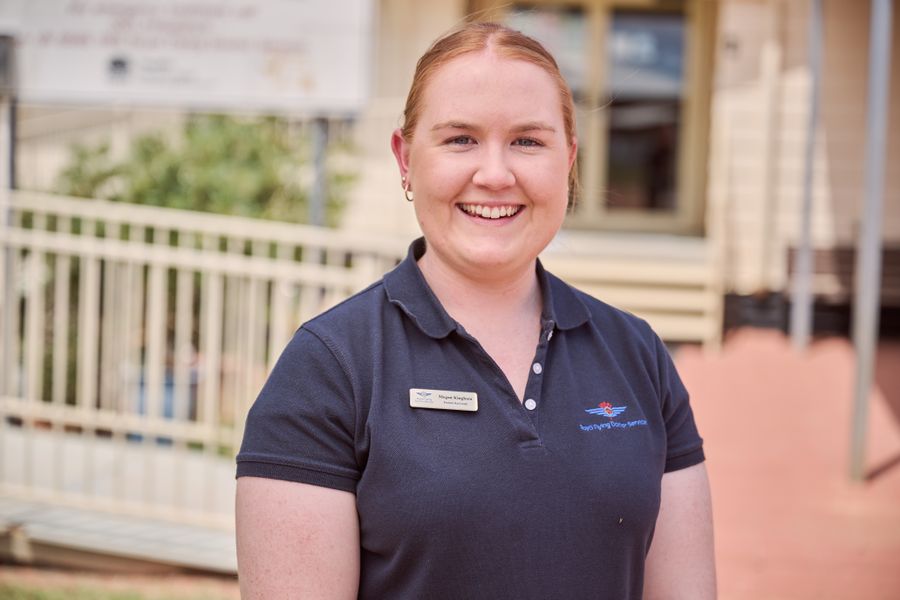
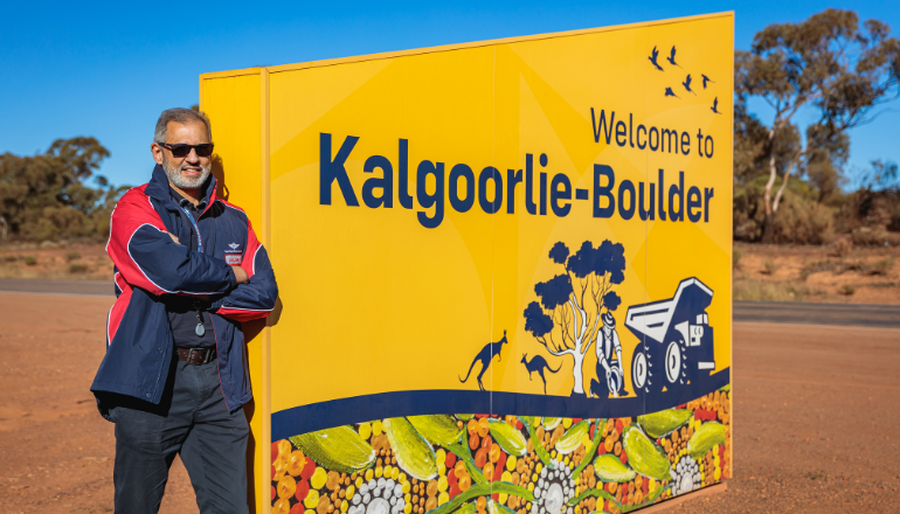
Article supplied by RFDS.  In August 2025, the Royal Flying Doctor Service opened its first bricks-and-mortar GP clinic, the RFDS Goldfields Health Centre in Kalgoorlie. Dr Ben Banwait is the Medical Director and Business Manager.

You have a lot of experience working as a GP in regional communities. What do you enjoy about working in the bush?

It’s the sense of connection. In regional communities, you’re not just treating symptoms, you’re caring for people you know, people whose stories you understand and often entire families over time. There’s a humility that comes with that responsibility. Patients place enormous trust in you, and that is something I never take lightly. I also value the resilience and generosity of regional communities. People look out for one another and it’s rewarding to be part of that fabric.

What does a typical day look like for you at the clinic?

My days are varied, which is part of what makes the role so meaningful. As a clinician, I spend time seeing patients at our Kalgoorlie clinic and also participate in the RFDS fly-out and drive-out Primary Health Care clinics across the Goldfields. These outreach clinics bring care closer to people who would otherwise need to travel long distances and they help ensure access to healthcare is equitable across the region.

Alongside my clinical work, my role as Medical Director involves overseeing clinical safety, governance and service planning. Balancing these roles keeps me grounded in both the day-to-day realities of patient care and the long-term vision of what regional healthcare can be.

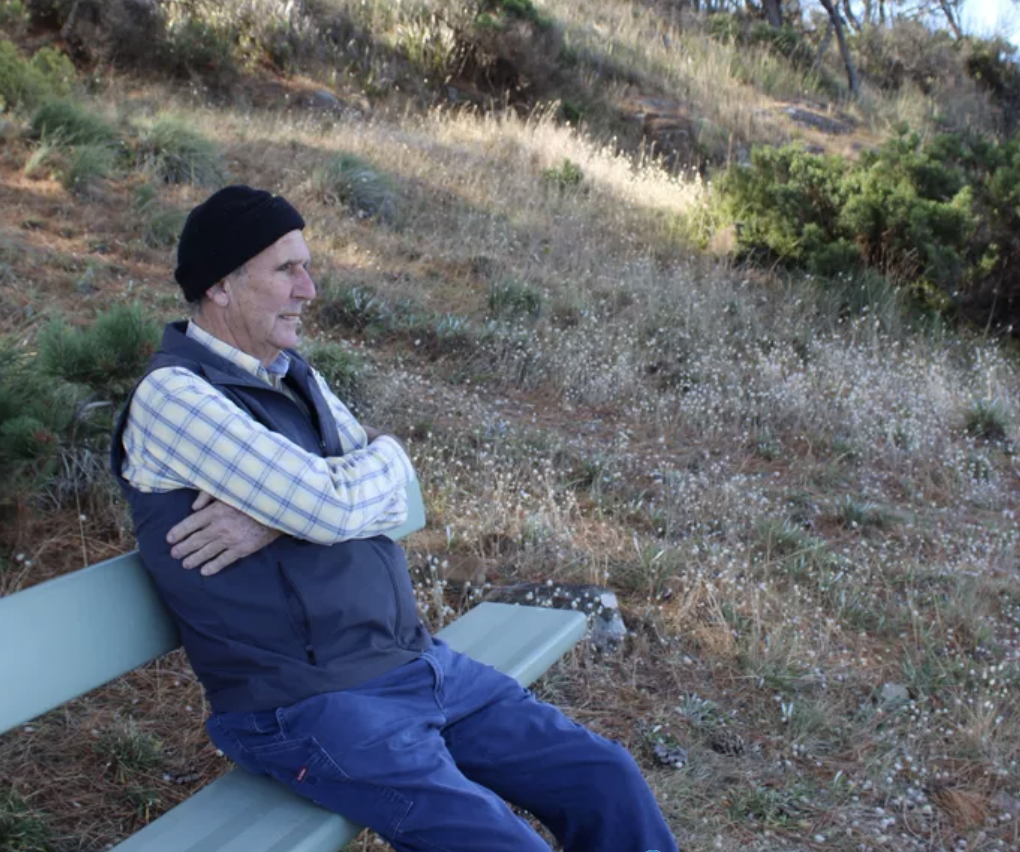
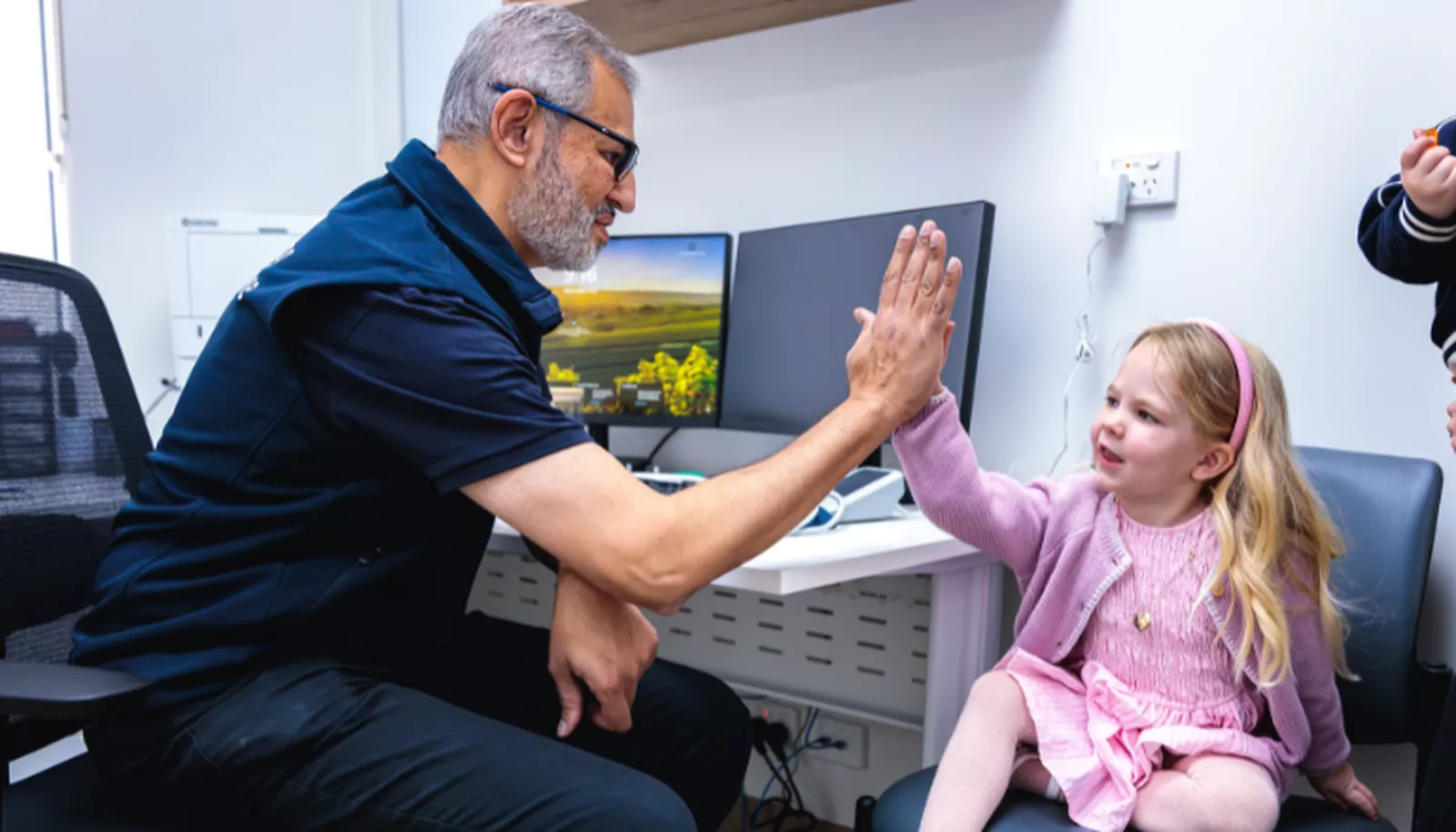
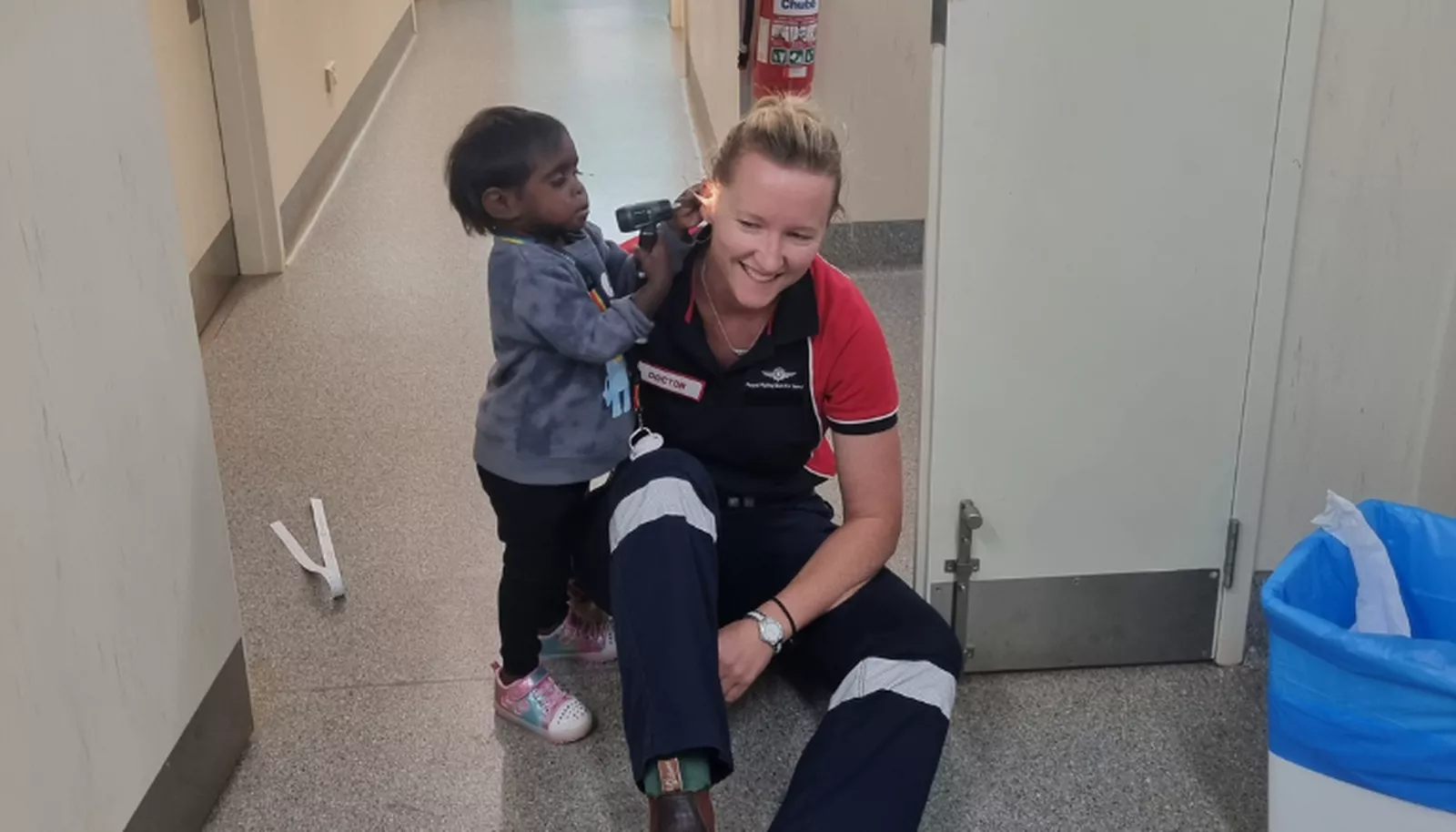
Dr Ben with patient

What has been the feedback from patients about coming to a GP clinic established by the Royal Flying Doctor Service?

Patients often tell us how reassuring it is to receive care through a clinic run by the RFDS. We have a long and trusted history, and that trust really matters in regional communities. Many people feel comforted knowing their local GP service is connected to an organisation that understands distance, isolation and the realities of regional life.

Is there a particular area of health care that is of interest to you?

I have a strong interest in chronic disease management and preventative health, particularly in regional settings. Helping people manage long-term conditions closer to home can make a profound difference to their quality of life. As Medical Director, I’m also passionate about attracting additional healthcare options, such as allied health and visiting specialists, so communities can access more care locally.

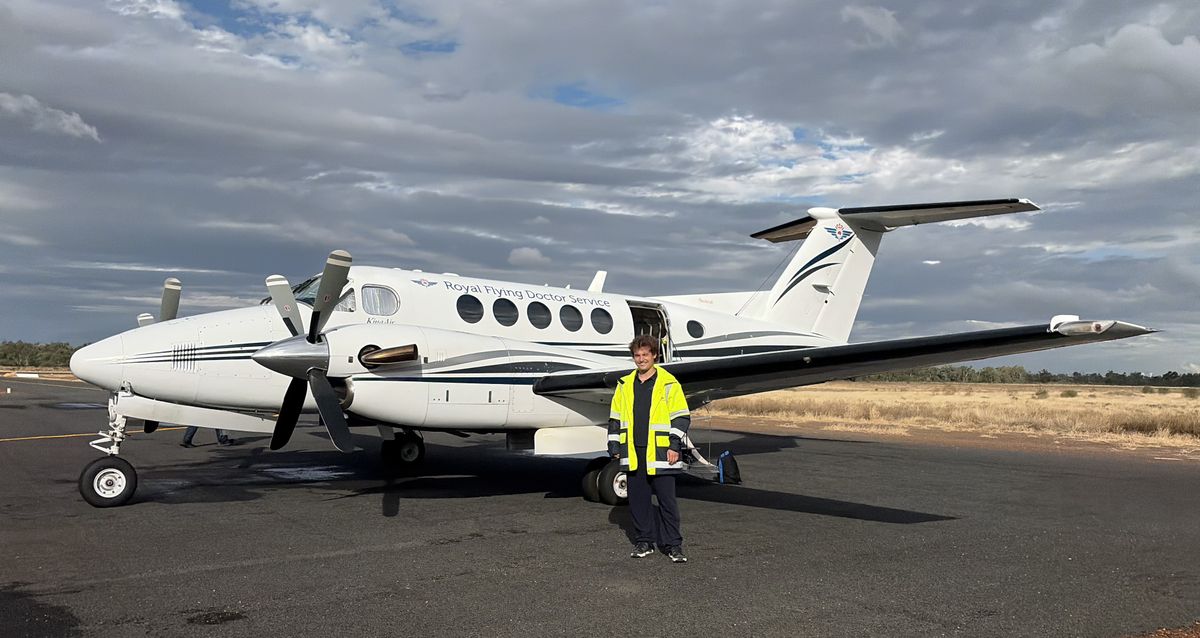
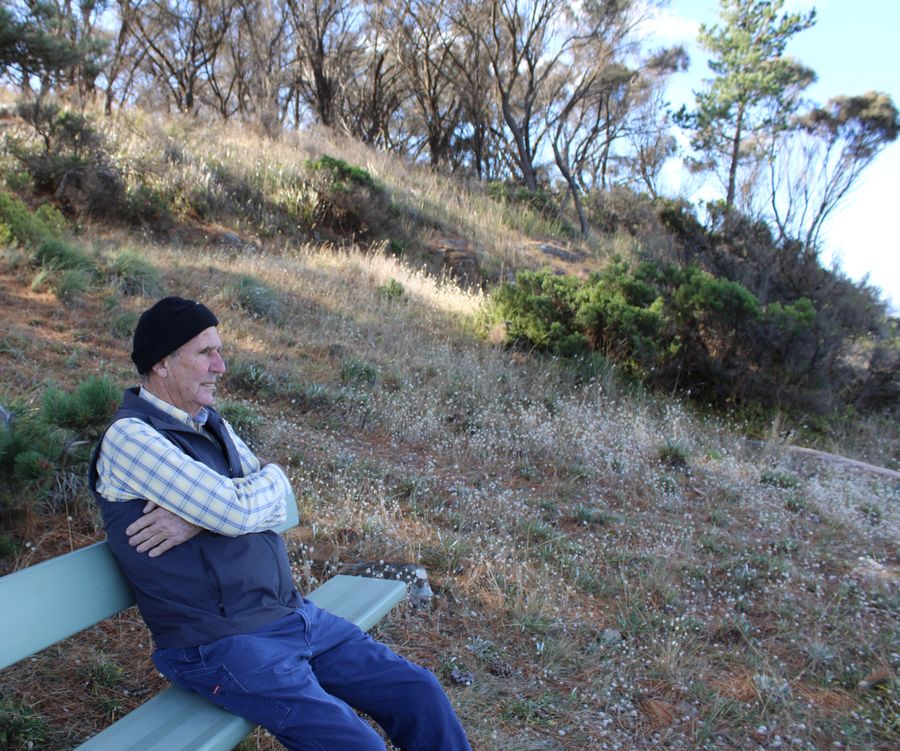
Dr Ben in Kalgoorlie

Is there a particular health issue you see a lot of in the Goldfields?

We see a high burden of chronic illness, including diabetes, heart disease and respiratory conditions. Mental health needs are also significant. These challenges are often made more complex by distance and limited access to specialist services, which is why strong, accessible primary care is so important.

Do some of your patients drive a long way to see a GP?

Yes, for some of our patients seeing a GP involves planning an entire day around travel. This is why accessibility sits at the heart of everything we do. Our fly-out and drive-out clinics help reduce that burden and ensure people aren’t missing out on care simply because of where they live. Improving access isn’t just about geography, it’s about making healthcare work for real lives.

Why do you think it’s difficult to attract and retain GPs in regional areas?

Regional practice can be demanding. Clinicians often face professional isolation and the practical challenges of distance. Supporting safety, wellbeing and sustainability is critical. GPs need strong teams, good governance and a sense that they belong. When clinicians feel supported and connected to a clear mission, like that of the RFDS WA, they’re far more likely to stay, grow, and build long-term careers in regional communities.

Meet Dr Pip

Meet Dr Pip

Article supplied by RFDS.  Dr Pip Baker grew up on a dairy farm in northern Victoria and graduated in Medicine from the University of Adelaide. After completing her internship and residencies in Adelaide’s tertiary hospitals, she headed bush to undertake her General Practice training.

Pip spent four years on South Australia’s Kangaroo Island working as a Rural Generalist before taking a locum position in Balgo, in the remote East Kimberley, on a fly-in, fly-out basis. In 2024 Pip and her partner Courtney both joined the RFDS, Pip in Primary Health Care and Courtney in Retrieval Nursing. After 18 months working at the RFDS Port Hedland base the couple recently relocated to Broome with their campdog Rolly.

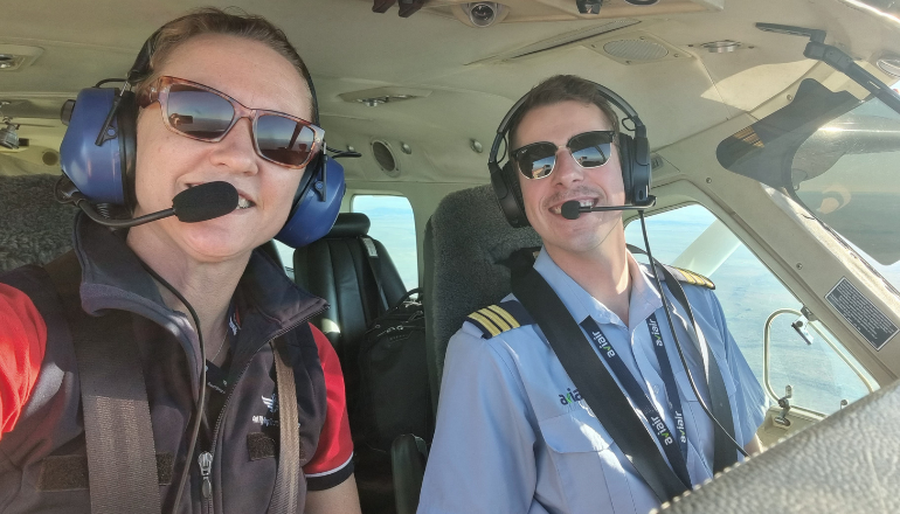
Dr Pip

What attracted you to being a GP in remote and regional WA?

I think I have the best job in the world. I love the people, I love the style of medicine, I love the places. I love flying and have started to learn to fly myself.

I don’t think I could ever go back to suburban general practice. My patients have lived courageous lives and have so many stories to share. I hold different opinions to many of them, but we can have a good debate and put things aside to ease their ailments.

What are the locations you run primary health care clinics in?

In the Pilbara I visit Nullagine, Yandeyarra and Marble Bar. In the Kimberley the clinics are in Yakanarra, Djugerari, Koorabye, Kadjina and four stations.

How does the ‘tyranny of distance’ affect the health outcomes of the patients you see regularly?

Too many times I see patients forced to accept ‘any care’ rather than the care that is appropriate for them. There are limited choices to see a doctor of a different gender, culture or age. There are often limited or no choices for allied health support and telehealth services can’t always fathom how hard it is to change your diet and exercise habits in January in Marble Bar.

In the worst of circumstances, and for a variety of reasons, people avoid accessing services at all.

The patients we visit in some of the most isolated parts of the state have a higher disease burden, are later to receive a diagnosis and suffer the consequences in long-term outcomes. The RFDS can’t be everything to everyone, but we can push hard to provide services that people would choose, even if they had more choice.

If your patients didn’t have the RFDS run clinics in their community, how would they access GP services?

Most patients in the Pilbara would have a two and half hour drive to Port Hedland or Newman and the services there are already working overtime with supply not meeting the demand of residents.

A patient from the Kimberley talked to me about accessing healthcare over the wet season, when the RFDS is unable to visit their station. She said the blood test her husband needed is unlikely to happen because by then their road will almost certainly be closed. It would cost about $5,000 for a charter plane to collect him and then again to fly him home. The mail plane only comes once week so if he went one way on that and did a charter flight back the cost might come down to about $3,000, factoring in accommodation too.

Most communities we visit in the Fitzroy Valley have a two hour drive to Fitzroy Crossing Hospital for the nearest available health care. They can be cut off completely during the wet season and we often end up bring other supplies for the community in our charter plane.

Are there particular health issues you see a lot of at the clinics you run?

I spend a large amount of time managing Chronic Kidney Disease, Diabetes and Ischaemic Heart Disease, as well as managing skin conditions such as tinea, scabies and impetigo.

Dr Pip

What is the best part of your job?

That’s easy – the people. The RFDS people are great, but the patients are truly inspirational.

Apart from work, how else have you and Courtney become part of the local community in Broome?

The crew at the RFDS base have been incredibly welcoming, helping to make the Kimberley our home, from sharing produce from their garden to helping us beach launch our boat.

Finding a Rhyme and a Reason for Every Season

RFDS article

Article supplied by RFDS

Four generations of Herring family members are featured in this photo
 
Four generations of Herring family members are featured in this photo

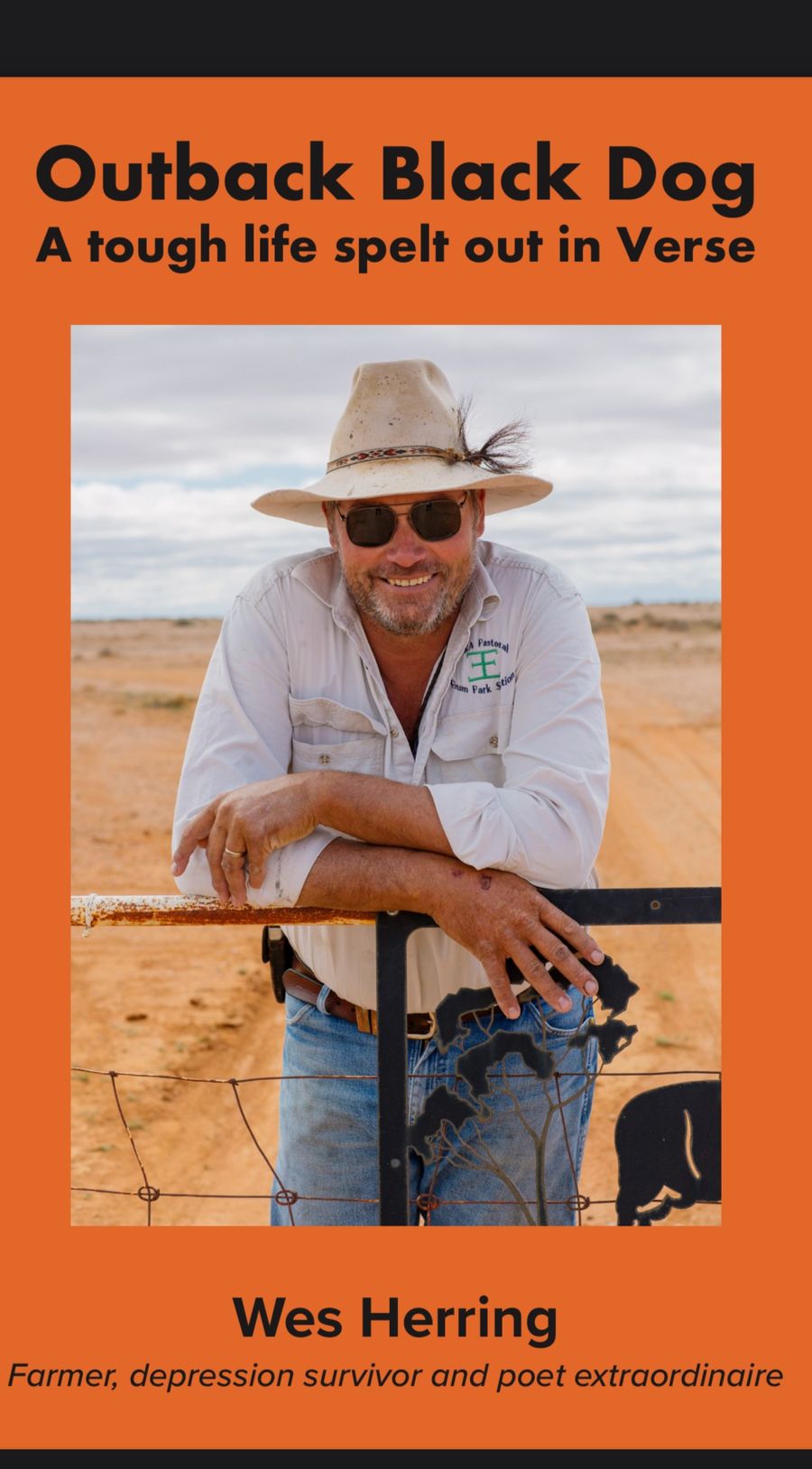
When this black and white photo of four generations of the Herring family was captured, back in 2018, it would be Wes Herring’s grandfather, Fred’s, last trip to the family’s Gum Park station. The 28,000 hectare family farm, located near Broken Hill in the Central West of NSW, had been run by the Herring family since 1915. But when this photo was taken, Gum Park had been in the grip of drought since 2016 and all the dams had run dry. Wes, also pictured with his young son Angus and his father Peter, had recently taken over the running of the farm, after spending his late teenage years and early twenties ‘learning the trade’ of agriculture as a farm hand on over three million acres on a farm in SA and as a rural contractor. But Gum Park was so much more than Wes’s family farm. School of the Air, rabbit shooting and shearing in school holidays were all an integral part of Wes’s childhood. But like so many other farmers, the stress of drought and all the other random acts of Mother Nature’s wrath were pressing down upon Wes’ shoulders. In hindsight, he can see the signs of his depression building, in the form of a short temper, fatigue and turning to alcohol and solitude for support. Like so many rural men, Wes didn’t know how to ask for help or even if he needed help. His Black Dog was circling and the young father and husband felt trapped and in despair. Until the moment when, with a loaded gun pointed at his chin, Wes ‘woke up’ and knew he needed urgent mental health support. Within days, his nearby RFDS GP and RFDS Mental Health Nurse were caring for Wes’s wellbeing and getting him the support, the medication and the information he needed to recover. 

Wes's new book features his own poems and personal memoir

In this truly poetic Episode #132 of the Flying Doctor Podcast, Wes Herring takes listeners on a beautiful and heartfelt journey through agriculture, life on the land and family. Today, Wes is in a much better place. With support for friends, family and the wider community, along with the RFDS’s We’ve Got Your Back Program, he and his family made the tough decision to sell the family farm, to start a new farming life near Deniliquin in NSW. And Wes has turned to bush poetry to tame his Black Dog and help him along his mental health journey. With his new book of poems and something of a personal memoir of his journey and life, Wes hopes he can help other rural men who might be struggling to seek out help and mental health support. He also hopes that his poetry, along with community driven initiatives such as the RFDS We’ve Got Your Back Program, will encourage broader community conversations across rural and remote Australia, around the importance of ‘all body and mind’ health programs. Because while the stigma of mental health has greatly reduced in recent years, everybody’s mental health journey is unique. But there is ALWAYS help at hand, no matter where you live. 

If you are experiencing a mental health crisis or are with someone who is, call 000 if it is an emergency. For direct and ongoing support, call Lifeline Crisis Support (13 11 14), Suicide Call Back Service (1300 659 467), Beyond Blue (1300 22 4636) or Rural Aid (1300 175 594).

A We've Got your Back cap pictured against a sunrise

Ongoing research by the RFDS RN031 Mental Health D6.indd suggests that each year, around one in five, or 960,000, remote and rural Australians experience a mental disorder. The prevalence of mental disorders in remote and rural Australia is the same as that in major cities, making mental disorders one of the few illnesses that does not have higher prevalence rates in country Australia compared to city areas. At least not on paper. Yet suicide and self-harm rates are higher in remote and rural Australia than in major cities, with residents of very remote areas twice as likely to die from suicide as city residents. The same research models highlights that farmers, young men, older people, and Aboriginal and Torres Strait Islander (Indigenous) Australians face the greatest risk of suicide. 

Want to know more about growing the conversation in YOUR community? You can find out more via We’ve Got Your Back | Facebook OR our NSW-based RFDS We’ve Got your Back Champions – who all have lived experience around mental health challenges in rural Australia – are always happy to be contacted directly:

Richard Wilson 0438 093 682 champion.richard@outlook.com or Jane Martin 0431 469 984 champion.jane@outlook.com or Brendan Cullen 0437 188 980 champion.brendan@outlook.com

Apply for an ASIC card today!

Avalon Airshow 25-30 March

Avalon Airshow 2025

Article supplied by Avalon Airshow

Held biennially, Avalon 2025 will be the sixteenth airshow and aerospace industry exposition staged at our Avalon Airport home. The Southern Hemisphere’s largest airshow and aerospace and defence exposition, Avalon 2025 will once again set the stage as Australia’s own international airshow spectacular and capability showcase.

The event combines:

  • An international aerospace and defence exposition – a major trade exposition for Australia’s aviation, aerospace and defence industries. Typically, attracting some 800+ participating exhibitor companies showcasing their products, services and technologies to a national and international audience.
  • A three day, action-packed public airshow spectacular with breathtaking flying displays and an amazing array of static aircraft to view up close.

To purchase tickets head to the Avalon Airshow website: https://airshow.com.au/


Celebrating the past

RFDS celebrating past

Article supplied by RFDS

On 30 May 2024, the Flying Doctor family came together to take a step back in time to reflect on the year 1934 and celebrate the incredible drive and determination that would progress aviation and set the platform for what would become RFDS.

The evening was hosted by television presenter Michael Rowland, and featured the historical accounts of the extraordinary MacRobertson London to Melbourne Air Race as told by Australian entertainer and comedian Titus O’Reily. The magnificent Michelle Berner and the “Fresh Dancers” also appeared as a surprise musical performance during the night’s proceedings.

The year 1934 holds a special place for RFDS and all Victorians. In the middle of The Great Depression, the eyes of the world shifted to Melbourne as the destination for a groundbreaking air race, part of the Centenary Celebrations that aimed to unite the public and inspire hope. In that same year, in a back room of the Commercial Travellers’ Association on Flinders Street, Rev John Flynn and his dedicated team worked tirelessly to draft a constitution for a new organisation that would ultimately be known as the Royal Flying Doctor Service.

It was a premise that ran through the entire night, paying tribute to those who push through in challenging times to drive innovation for the future.

In keeping with this theme, retiring RFDS Victoria Chief Executive Scott Chapman AM was recognised for his lasting impact over the past 14 years. The wide range of RFDS Victoria’s current primary health services, along with patient transport by air and road, have all been instigated in Scott’s tenure; however, it is the personal stories from clients and families that truly explain his impact.

In addition to many dedicated donors and supporters, the dinner was well supported by numerous Members of Parliament, along with corporate partners, stakeholders and ambassadors. Thanks to their generous support, the gala dinner raised more than $100,000 through sponsorships, in-kind donations and fundraising activities on the night.

RFDS Victoria would like to particularly acknowledge APT Luxury Travel as the Principal Partner for the event. It was wonderful to celebrate the humble beginnings of both brands and we look forward to continuing to build on the relationship for the benefit of the communities we serve.

A big thank you is also extended to JBWere as Major Partner for the night, the second time they have supported the Going the Distance Dinner in such a meaningful way.

Additionally, we would also like to acknowledge our wonderful business partners for supporting this event – Biomedical Solutions, Delaware North, Oris and Oakdene Vineyards.

We would also like to thank all those individuals and organisations that donated items to our live and silent auctions, including:

  • Alba Thermal Springs
  • Allan and Shelley Green
  • APT Luxury Travel
  • Aesop
  • At Your Table
  • Delaware North
  • Elizabeth Hooley
  • Endota Spa
  • Geelong Football Club
  • Hawthorn Football Club
  • Hyatt Centric
  • Kakadu Traders Australia
  • LaManna
  • Love Athletica
  • Marriner Group
  • Melbourne and Olympic Parks
  • Melbourne Storm
  • Melbourne Victory Football Club
  • Nimbus & Co
  • Oris
  • Puffing Billy Railway
  • RACV City Club
  • SleepMaker
  • Starward Whisky
  • The National Golf Club
  • Verve Portraits

Finally, a very special thank you to Anthony Jaye Choreography, Michael Rowland, Michelle Berner, Kelvin Shelley, Peter Jones Special Events, and Titus O’Reily.

A photo from the 2024 RFDS Vic GTDD

Need an ASIC card – apply now

Ella was 35 weeks pregnant & driving an outback truck when her waters broke!

Ella was 35 weeks pregnant & driving an outback truck when her waters broke!

When transport company owners, Ella Reindler and her husband Dave, set out on ‘one last trucking trip’ from Perth to the remote Kimberley, they knew it would likely be their last road trip together as a couple, before their new baby arrived.

But neither of them expected that, at just 35 weeks pregnant, Ella’s waters would break in the middle of nowhere and hundreds of kilometres away from the nearest hospital.

Both Ella and Dave are extremely experienced outback travellers, regularly driving thousands of kilometres across some of the remotest parts of WA and often camping in isolated outback locations for weeks at a time.

But when this hard-working young couple realised their baby had decided to arrive prematurely on the road between Halls Creek and Warmun, neither of them felt particularly prepared

Ella holding baby Lucas in front of prime mover truck.

In this extraordinary Episode #88 of the Flying Doctor podcast, Ella recounts how – with Dave exhausted after 15 hours of driving – she climbed into the driver’s seat and headed for Kununurra Hospital.

Given the baby’s premature gestation, Ella was soon loaded onto an RFDS flight to Broome.

But Dave (you guessed it) hopped back into their truck and drove another1000km plus, to help welcome a healthy baby Lucas into the world.

Need an ASIC card – apply now

Link to RFDS Podcast – #88 Ella was 35 weeks pregnant & driving an outback truck when her waters broke!

RFDS celebrates 200 helicopter retrievals

RFDS helicopter retrievals

Article supplied by RFDS

200 patients of all ages have been transferred by the Fortescue Heli-Med Service EC145 helicopters since they joined the RFDS fleet 18 months ago.

baby lexie

The RFDS WA is celebrating 200 patient retrievals in the Fortescue Heli-Med Service EC145 helicopters.

It comes 18 months since the hospital-to-hospital service was launched, with the two helicopters adding versatility to the RFDS aircraft fleet.

The most common retrieval site is Rottnest Island (33) followed by Bunbury (23) and Narrogin (20.) In total, patients have been transferred from 45 different locations, with sportsgrounds often used as a landing pad in regional towns.

The helicopters can land on rooftop heli-pads at Perth tertiary hospitals including Fiona Stanley Hospital, Royal Perth Hospital, Sir Charles Gairdner Hospital, Perth Children’s Hospital and King Edward Memorial Hospital for Women, drastically reducing road travel time in an ambulance.

Mostly used for retrievals within a 250 kilometre radius of Jandakot Airport, the Heli-Med service was able to expand its service area when charity Rapid Relief Team (RRT) donated 800L weatherproof fuel bunds to the wheatbelt towns of Cunderdin, Katanning and Dalwallinu in September.

“On certain flights, mainly because of weather, the rotary team need to refuel enroute before arriving at the retrieval destination,” Elaine Cadzow, Rotary Fleet Manager explained.

“The donation of the fuel bunds has allowed the Fortescue Heli-Med Service to carry the additional fuel reserves required on windy days to fly to Katanning, Cunderdin or Dalwallinu, pick up the patient and then onto a Perth tertiary hospital”.

Patients of all ages have used the service, including 13 babies and children aged 9 and under, and four aged in their 90s.

Pictured is Hines Hill mother Jess Silver, whose daughter Lexie was the first baby transferred by the Newborn Emergency Transfer Service (NETS) using the Heli-Med service, flying from Merredin Oval to the rooftop heli-pad at PCH in just 45 minutes.

RFDS Statement – Queensland Section – Nurses EBA

Article supplied by RFDS

Our nurses have voted over the past three days on the proposed RFDS enterprise agreement. They have been highly engaged in the ballot process with a 90% participation rate, and voted 43% in favour and 57% against.

We respect the decision of our nurses and remain committed to working in good faith with them and the union to reach an agreement as soon as we can, so that we can increase our nurses’ pay.

We offered our nurses a 13% increase over three years, backdated to 1 July 2023. We believe it’s a fair offer that compares with the rest of the healthcare sector, including Queensland Health nurses.

The increase we offered would have cost the RFDS more than $3.2 million over three years and was as much as we can afford.

As a charity, we receive critical Federal and State Government funding each year, and despite that, we run at an operational deficit. As a result, we rely on donors and fundraising to cover that gap, and we are extremely grateful to the people who support us and the critical services we provide.

Like everybody, we are also facing increased operational costs like wages, aircraft fuel, parts and equipment, and the cost of maintaining our bases and aircraft. We need to ensure we are sustainable for the communities we serve and continue to provide our services as we have done for the last 95 years.

We are incredibly grateful to our nurses who work tirelessly to provide skilled and compassionate care.

Improvements to Ballina airspace to come into effect in 2025

ballina airspace

Article supplied by CASA

Airspace around Ballina Airport will be controlled by air traffic controllers from 2025 as the Civil Aviation Safety Authority (CASA) and Airservices Australia move to develop services to accommodate the airport’s growth. 

The announcement follows an airspace review conducted in 2022 by CASA which included extensive feedback from industry and subsequent discussions with Airservices on timing for the establishment of controlled airspace and air traffic services.

CASA has issued a direction to establish controlled airspace from 2025 and will work closely with Airservices to support airspace design.

The first phase will see the airspace reclassified and an approach control service provided by Airservices by 12 June 2025.

The second phase will see the establishment of a new aerodrome control service by Airservices no later than 27 November 2025.

The establishment of enhanced air traffic services comes on the back of sustained growth in air traffic in the region and is part of a graduated approach to safely accommodate further growth.

‘When we review airspace it’s important that we look not only at what is happening today, but also to look at growth trends in recent years and what operators are predicting into the future,’ CASA Branch Manager Air Navigation, Airspace and Aerodromes Adrian Slootjes said.

‘We consider a range of data and information, look at incidents and occurrences and take a risk-based approach to our recommendations.

‘While there have been a range of incremental changes and enhancements in aviation safety in the region, we consider that these additional changes are required to ensure the safety of passenger transport operations and all airspace users in and around Ballina.’
Improvements already made around Ballina include changes to radio frequencies used by pilots to reduce congestion, provision of a Surveillance Flight Information Service (SFIS) to provide pilots with information about other aircraft in the area, and the introduction of an Automatic Dependent Surveillance-Broadcast ground station to allow appropriately equipped aircraft to be more easily detected by air traffic control.

Work on an Airspace Change Proposal outlining details of the new service and aimed at ensuring it meets necessary requirements will continue throughout 2024.

The timing also allows CASA and Airservices to engage with aviation and community stakeholders, including the sports and recreational aviation community, about safely accessing controlled airspace.